

What’s covered in this guide to getting more website traffic?
You’ve got a website you’re proud of. Your colleagues have seen it, your family have seen it, and now you need the rest of the world to see it too.
The good news is you don’t need a huge budget to get more website traffic. You need a handful of channels that suit your business, and the habit of using them consistently. Here are the ten we recommend most often to the marketing managers and business owners we work with.
In this guide to more website traffic, we’ve compiled a list of 10 ways you can market your website, so you can reap the rewards of consistent traffic and begin converting those visitors into customers and clients.
Let’s get into it:
1. Get found in Google and AI search
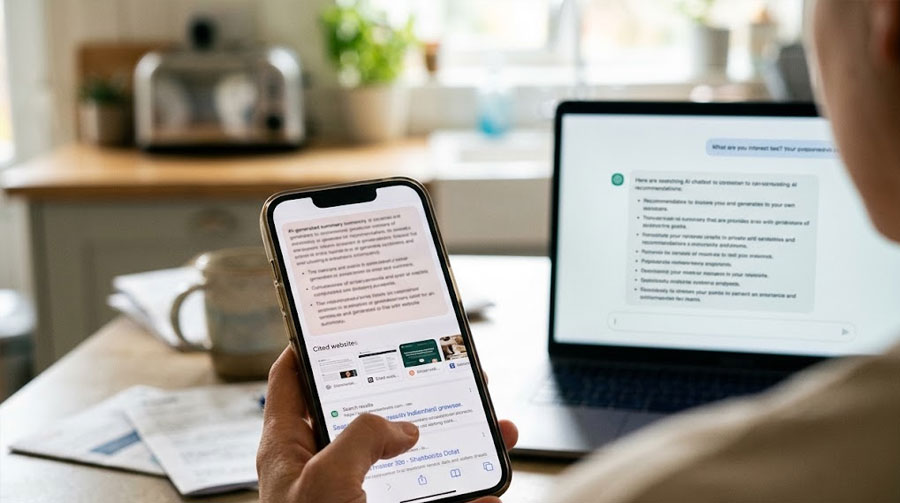
Search is still one of the biggest sources of website traffic, but it’s changing fast. Google now answers many questions directly on the results page, and more people are asking ChatGPT and other AI tools for recommendations.
A 2024 study by SparkToro found that almost 60% of Google searches in the EU end without a click. So the clicks that are left are worth fighting for, and the top spots get most of them. Backlinko’s analysis of 4 million searches found the first organic result gets 27.6% of all clicks.
To give yourself the best chance:
- Make sure each key page targets one clear keyphrase in its title, meta description and headings.
- Add short, direct answers and FAQs that AI tools can easily quote.
- Claim and complete your Google Business Profile if you serve a local area.
- Keep your site fast, secure and easy to use on a phone.
If your site runs on WordPress, our WordPress SEO guide for beginners walks you through the setup. And our guide on how to do AI SEO covers getting cited by AI tools.
2. Publish genuinely useful content

The most reliable way to build traffic over time is to give away helpful information for free. Every useful article is another page that can be found in Google, shared on social media and quoted by AI tools.
A few ways to do it:
- Write blog posts that answer the questions your customers ask you most.
- Publish case studies that show how you’ve helped real clients.
- Share articles on LinkedIn to reach people who don’t know you yet.
- Write guest posts for respected sites and publications in your industry.
The aim is to become the go-to source in your field. When your content is good enough, other sites link to it, which boosts your rankings even further.
Not sure where to start? Our ultimate guide to blogging for business owners and 20 tips for creating compelling website content will help.
3. Email your list (with a reason to click)
Email is one of the best-value channels you have. The UK’s Data & Marketing Association found businesses get an average return of £38.33 for every £1 spent on email marketing.
Those helpful articles from tip 2? Turn them into short newsletter emails, each with a clear link back to the full post on your website. Once a fortnight or once a month is plenty for most businesses.
Offers work well too. One cleaning company we heard about had two staff finish a job early, so the founder emailed his list with a discount on the day rate. Two clients booked straight away, and he made over a thousand pounds of extra business in the time it took to write one short email.
You can read more about why email marketing is so powerful in our other article.

Social media lets you stay in front of past, current and future customers at the same time. For most B2B businesses, LinkedIn is the place to focus. For consumer brands, Instagram, Facebook and TikTok usually work better.
It doesn’t need to eat your week either. Tools like Buffer have a free plan that lets you schedule posts across several channels in one go.
Share your own articles, but don’t make it all about you. Mix in useful industry news, behind-the-scenes posts and comments on other people’s content. The more genuinely helpful you are, the more people will click through to see what else you have to say.
Planning ahead makes this much easier. Our marketing calendar has key dates you can build posts around. And if you’d rather hand it over, our social media marketing team can help.
5. Create a free guide
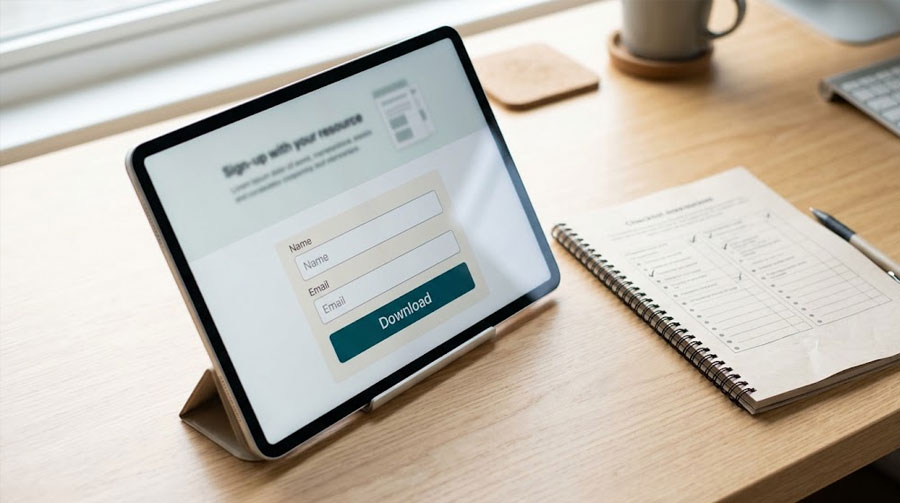
A free downloadable guide, checklist or template gives people a strong reason to visit your website and hand over their email address.
It takes some effort, but it pays off. You position yourself as an expert, and every download adds a warm lead to your email list.
Tools like Mailchimp let you set up a simple sign-up form so visitors enter their name and email to get the guide. You can then send them a short series of helpful follow-up emails automatically. Just make sure people clearly agree to receive marketing emails, so you stay on the right side of UK GDPR.
Start with the topic your customers are most desperate to understand. Our own website audit checklist is a good example of the kind of resource that works.
6. Record short videos

It’s okay, you can come out from under your desk. Video doesn’t need a film crew any more, and it works. In Wyzowl’s State of Video Marketing report, 82% of video marketers said video has helped them increase web traffic.
Short how-to videos and “why work with us” videos work well on YouTube, LinkedIn and your own website. People buy from people, so seeing your face builds trust before you’ve even spoken.
7. Join online communities

Industry forums have largely given way to communities on Reddit, LinkedIn groups, Facebook groups and Slack. They’re well worth your time, because people go there to ask for recommendations. Reddit threads also show up a lot in Google results and AI answers.
The golden rule is to help first. Answer questions properly, share what you know and only link to your website when it genuinely helps. Shameless self-promotion gets you ignored, or banned.
Done well, you’ll build a reputation as the helpful expert, and people will look you up.
8. Try paid online advertising

This one isn’t free, but it’s the quickest way to get more website traffic while your other channels build up.
- Google Ads shows your website to people actively searching for what you offer. It’s ideal when people already know what they need.
- Meta ads (Facebook and Instagram) work well for consumer businesses and can be very cost-effective for promoting an offer or free guide.
- LinkedIn ads cost more per click but let you target by job title, industry and company size, which is useful for B2B.
Start small, track every click and only scale what works. It’s easy to waste money on Google Ads if you haven’t run campaigns before, so read our tips for setting up a successful Google Ads campaign first.
9. Get out there and network

Online marketing is great, but sometimes you need to step away from the screen and meet people.
Networking events, local business groups, chambers of commerce and industry conferences all give you access to decision makers you’d struggle to reach any other way. When someone recommends you to a contact they trust, that person is very likely to visit your website.
Take business cards with a QR code that links to a useful page on your site, not just your homepage. Then follow up on LinkedIn afterwards.
10. Use print and local press

It might feel old school, but print still has its place, especially for local businesses.
- Mailshots: A well-designed postcard or letter with a useful offer stands out in a quieter letterbox. Add a QR code that takes people straight to a dedicated page on your website.
- Local magazines: Look in Google Analytics for your most popular blog posts and offer one to a local magazine as an editorial piece, with a link back to your site.
Offline marketing is harder to measure, so use a unique web address, QR code or tracked link for each campaign. That way you’ll see exactly how many visits it brings in.
Which ways to get more website traffic should you start with?
You don’t need to do all ten at once. Pick two or three that suit your audience and resources, do them consistently for three months, then check your results in Google Analytics and double down on what works.
For most businesses, getting found in search, publishing helpful content and emailing your list make a strong starting trio. They keep working long after you’ve hit publish.
If you’ve just inherited a website and aren’t sure what’s working, our new marketing manager audit is a good place to start. And if you’d like help getting more people to your site, we would love to chat SEO and AI search. Just get in touch or call us on 01202 779577.
Further reading
- SparkToro’s 2024 zero-click search study: how many Google searches actually lead to a website visit.
- Wyzowl’s State of Video Marketing report: the latest data on how businesses use video.
- Google’s SEO Starter Guide: Google’s own introduction to getting found in search.
- Google Analytics help: traffic acquisition reports: how to see where your visitors come from.